Flora and Fauna of the Wetlands
Discover the unique ecosystem of Irish bogs and the plants and animals you'll encounter on the boardwalk trails at Lullymore Heritage Park.
Understanding the Bog Ecosystem
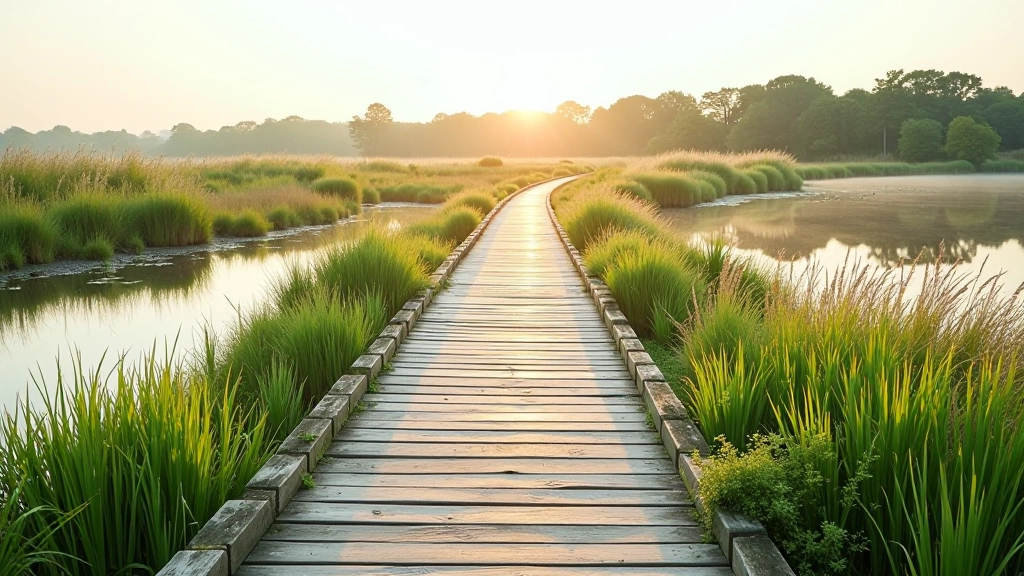
Irish bogs aren't just muddy patches—they're living, breathing ecosystems that've developed over thousands of years. When you walk the boardwalk at Lullymore, you're actually treading through a landscape that's been shaped by water, peat, and the plants that thrive in these unique conditions.
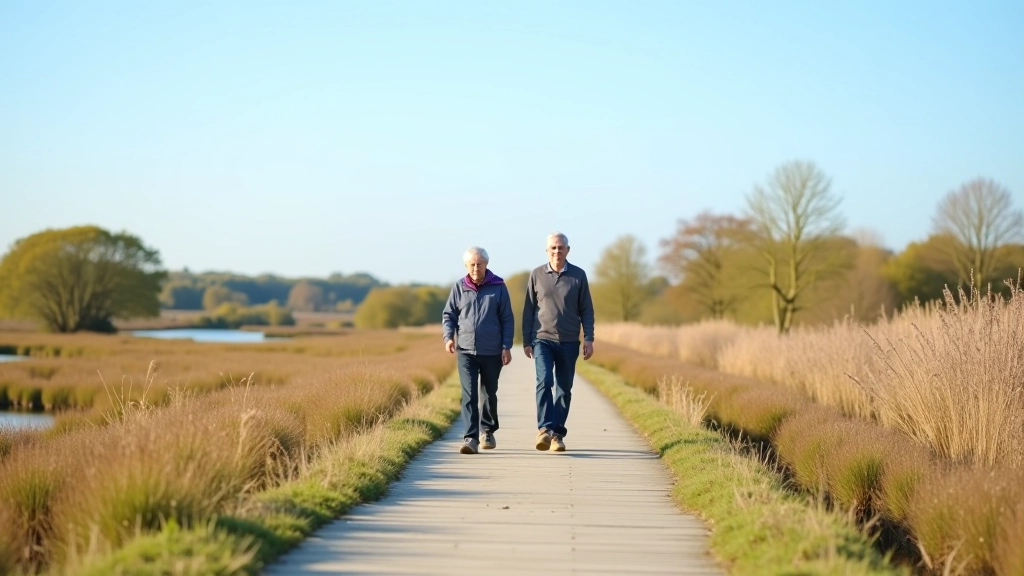
The boardwalk itself is designed to protect this delicate environment while letting you experience it up close. You won't be disturbing the peat or damaging plant roots because you're walking on a raised wooden path. This means you can observe wildlife and flora without impact, making it perfect for peaceful exploration at your own pace.
Peat Formation
The peat beneath your feet accumulated over 10,000 years. Each layer tells the story of plants that grew, died, and were preserved in waterlogged conditions where decomposition slows dramatically.
Water Management
Bogs stay wet because water can't drain through the peat. This waterlogging is what makes them special—it's the reason certain plants can survive nowhere else on Earth.
Plants You'll See on the Trail
The vegetation on an Irish bog is unlike anything you'll find in a garden. These plants are specially adapted to life in acidic, nutrient-poor, waterlogged soil. Many are small or stunted because the conditions are so challenging, but they're incredibly tough.
Sphagnum Moss
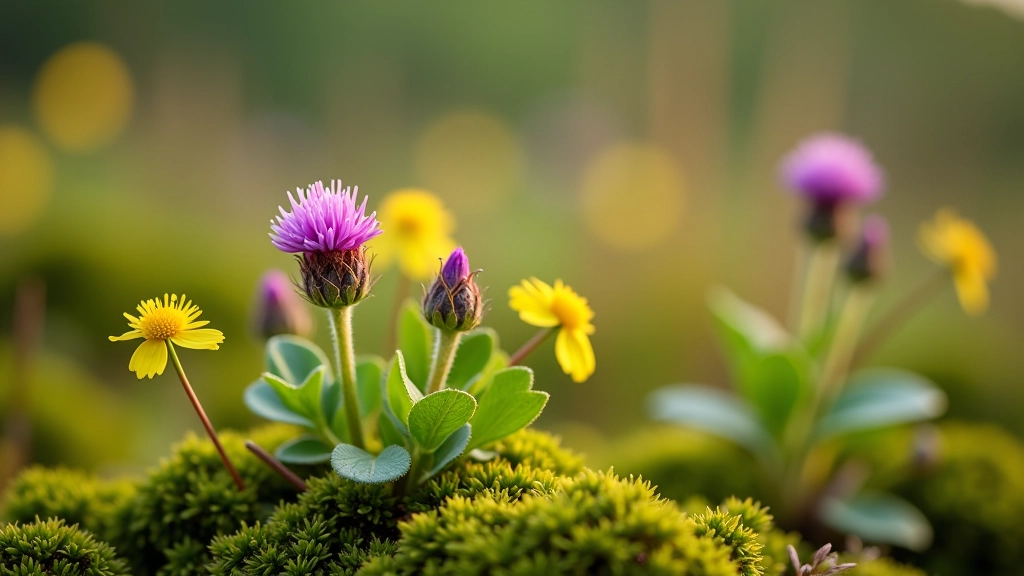
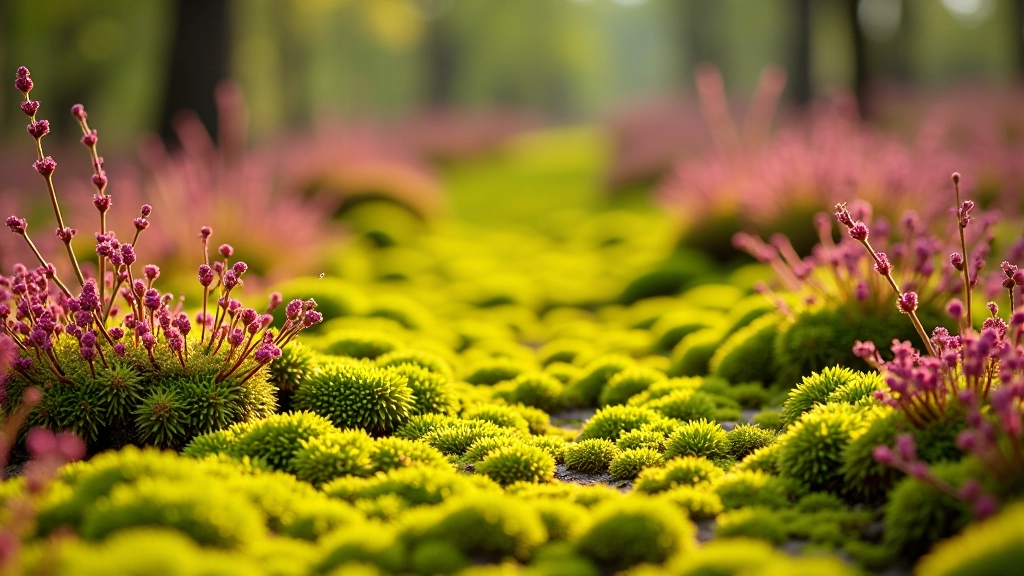
This is the real foundation of a bog. Sphagnum covers the ground in thick, spongy cushions and holds enormous amounts of water. It's acidic, which slows decomposition and helps create the peat. You'll see it in various shades of green, red, and brown depending on the season and moisture levels.
Heather and Ling
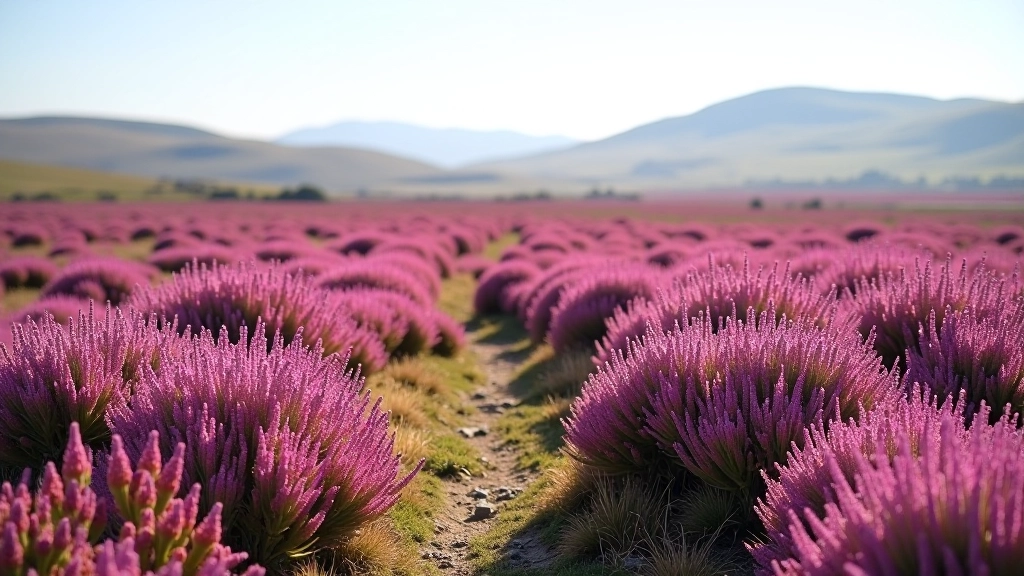
Purple heather blooms in late summer (August to September), creating those stunning violet-hued landscapes you might see from the boardwalk. Ling is similar but blooms slightly later. Both are small shrubs that've adapted to harsh, acidic conditions.
Bog Asphodel and Sundew
Bog asphodel has small yellow flowers and is easier to spot than you'd think. Sundew is more unusual—it's a carnivorous plant that traps insects in sticky droplets to supplement its nutrient intake. Look closely at damp patches to find it.
Animals and Creatures You Might Encounter
Bogs are home to a surprising variety of wildlife. You won't see large mammals like deer on the boardwalk itself, but there's plenty of smaller life to observe if you're patient and quiet. Early morning walks offer the best chance of spotting creatures.
Frogs and Toads
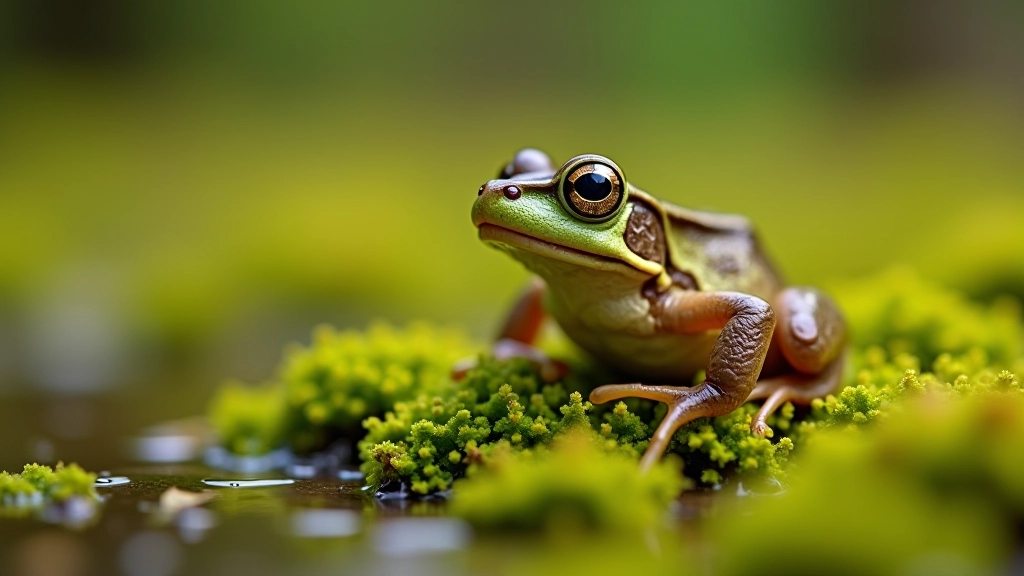
Common frogs are regular inhabitants of bog pools. They're active in spring and early summer, and you might hear their croaking before you see them. Bog pools are essential breeding grounds—the still water and abundant invertebrates make perfect conditions for tadpole development.
Birds
Curlews, snipe, and red grouse are the classic bog birds. You're more likely to hear them than see them—curlews have a distinctive bubbling call. Occasionally you'll spot smaller birds like skylarks and meadow pipits. Bring binoculars if you're into birdwatching.
Insects
Dragonflies and damselflies are common near bog pools—look for blue and red varieties in summer. Spiders are abundant, especially if there's morning dew. The insects you see are part of a complex food web that supports the birds and small mammals.
Tips for Observing Wildlife and Plants
Move Slowly
Fast movement startles animals. Walking slowly and stopping frequently gives you better chances of spotting birds and creatures before they flee.
Visit at Dawn or Dusk
Early morning (first two hours after sunrise) is ideal for birdwatching. Animals are more active when temperatures are cooler and light is soft.
Keep Quiet
Conversation and noise carry far in open bog landscape. Silence lets you hear bird calls and increases your chances of seeing creatures that depend on hearing to stay alert.
Bring a Camera or Notebook
Photography and sketching extend your observation time and help you remember what you've seen. Don't worry about artistic skill—the focus is on noticing details.
Bring a Field Guide
A small laminated guide to bog plants or birds helps you identify what you're seeing. The Lullymore visitor center can recommend good resources for Irish bog ecosystems.
Look Down as Well as Around
The most interesting plants are small and close to the boardwalk. Spending time examining the vegetation beneath your feet reveals intricate details most people miss.
The Best Times to Visit for Different Species
Timing your visit can really enhance what you see. Here's what to expect during different seasons.
Spring (March–May)
Frogs and toads are active. Bird nesting season means more activity and varied calls. Cotton grass turns white and creates a distinctive look. Insect populations are starting to increase, and dragonflies emerge later in the season.
Summer (June–August)
Heather and ling bloom in their full glory. Insects are at their peak—you'll see dragonflies, damselflies, and numerous smaller species. Bird activity continues but can be quieter as nesting season winds down. Evening walks are pleasant with longer daylight.
Autumn (September–November)
Late heather blooms provide color into October. Migratory birds pass through. Weather becomes more changeable—bring waterproofs. The bog takes on richer colors as sphagnum changes hue with moisture levels.
Winter (December–February)
Fewer insects and less floral color, but you can see the bog structure more clearly without dense vegetation. Winter birds arrive. Days are short, so plan accordingly. The bog has a stark, peaceful beauty in winter.
Important Information
This guide provides educational information about the flora and fauna found in Irish bog ecosystems. Specific plant and animal identification can vary based on location, season, and weather conditions. For detailed identification or scientific information, we recommend consulting with the staff at Lullymore Heritage Park visitor center or consulting dedicated field guides specific to Irish wildlife.
Always stay on the designated boardwalk to protect the bog environment and ensure your safety. The boardwalk is maintained for your access, and staying on it prevents damage to the delicate peat and vegetation.

Related Articles