Trail Accessibility and Mobility Considerations
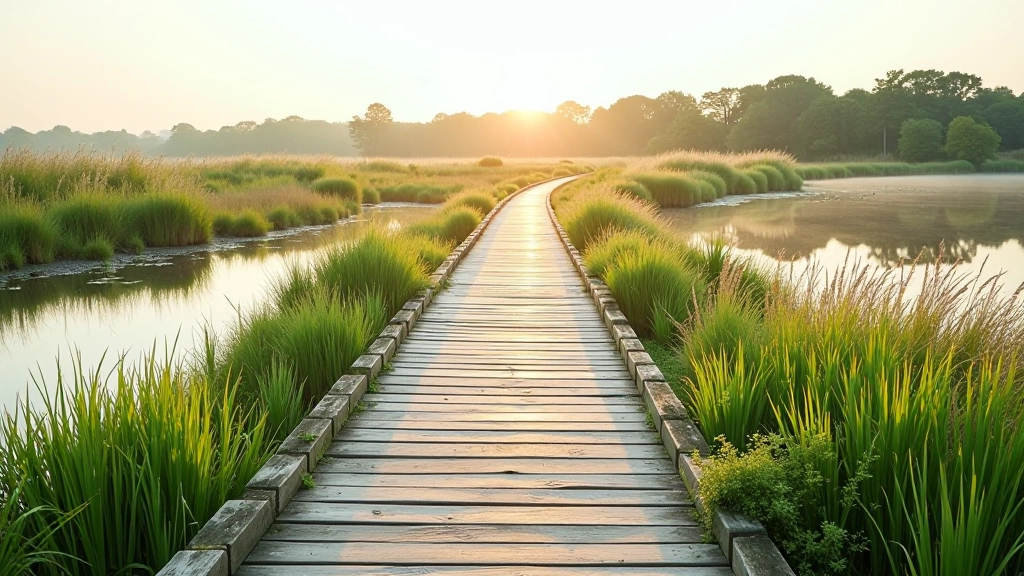
The boardwalk is fully accessible, but here's what to know about surfaces, gradients, and rest spots. Making the most of your pace and comfort level.
Why Accessibility Matters on the Boardwalk
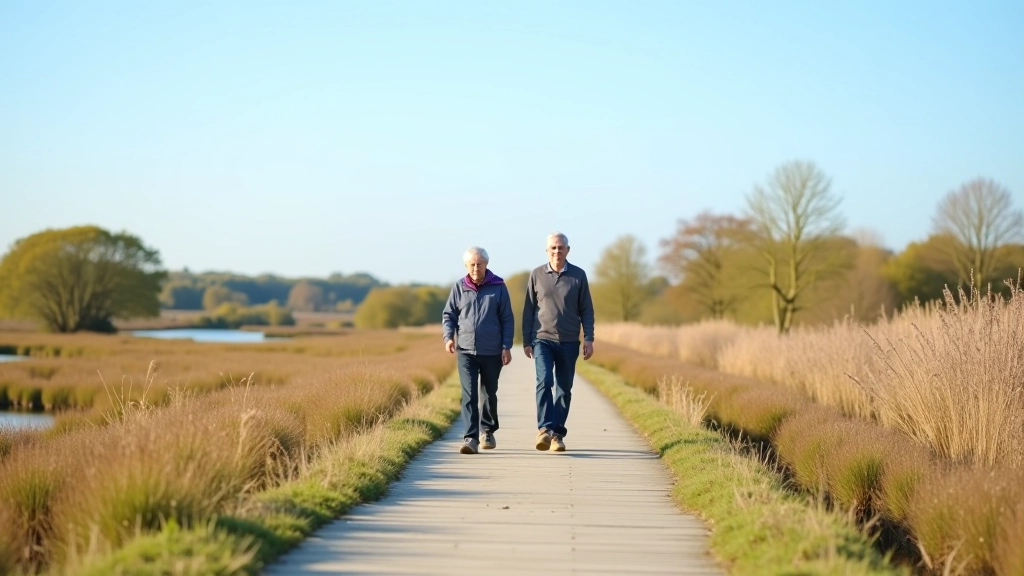
The Lullymore Heritage Park boardwalk isn't just a nice trail — it's designed with accessibility at its core. That means you're not squeezing through narrow gates or struggling up steep inclines. But it's helpful to understand the specific features that make the path work for different mobility levels.
We've walked this boardwalk with dozens of visitors over the years, and we've learned what questions people actually ask. This guide covers the real details — the exact surfaces you'll encounter, where you can take breaks, and how to prepare if you've got specific mobility concerns.
Understanding the Boardwalk Surface
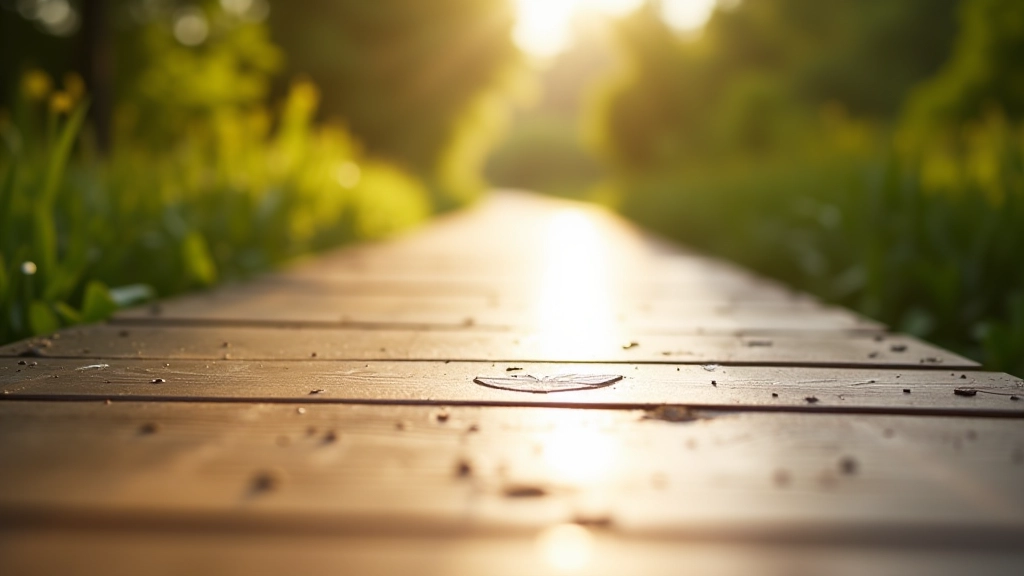
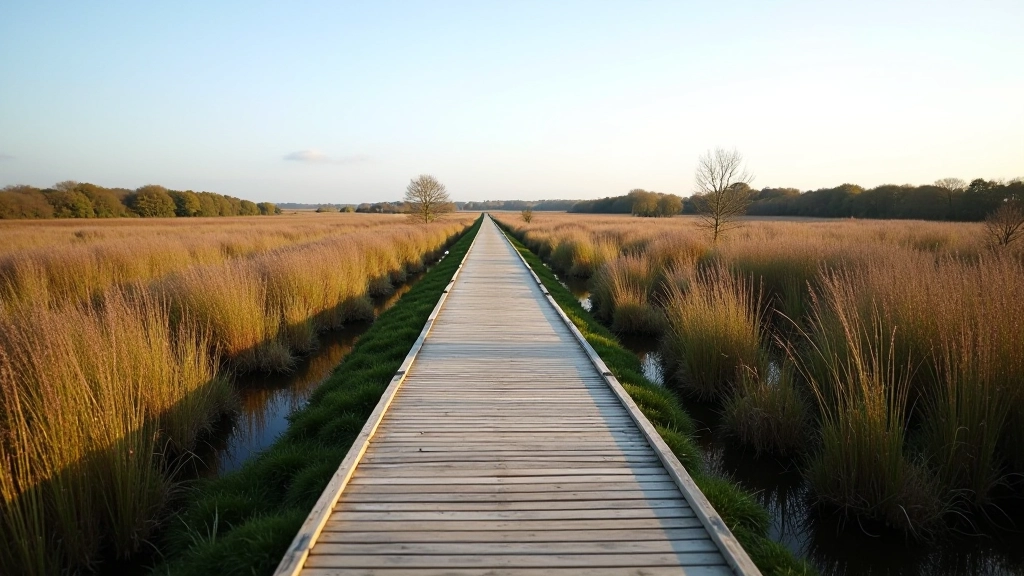
The entire 1.5-kilometer main loop uses treated timber decking. It's not rough or splintery — the boards are smooth and graded to prevent moisture buildup. The spacing between planks is tight enough that walking sticks or cane tips won't get caught.
You'll notice slight gaps where sections join, but nothing that causes difficulty. The boards themselves have a gentle texture that provides grip even when wet — which matters because bog environments are damp. Don't worry about slipping; the design accounts for that.
Surface Quick Reference
- Main boardwalk: Smooth timber decking, no gaps
- Width: 2 meters throughout (room to pass others)
- Texture: Anti-slip finish, stays grip even in wet conditions
- Maintenance: Checked weekly, debris cleared daily
Gradients and Inclines
Here's the thing about Lullymore — it's genuinely flat. The maximum gradient is 1:20 (5%), which meets accessibility standards. You're not climbing; you're walking on slight slopes that rise and fall naturally with the terrain.
The boardwalk has two gentle climbs: one around the 300-meter mark heading toward the viewing platform, and another shorter rise near the 1.2-kilometer point. Neither requires stopping. Most visitors in their 70s and 80s find these sections manageable — you'll notice the incline but you won't feel strained.
If you're using mobility aids or prefer flat surfaces, you can stay on the lower sections and still experience the full beauty of the wetland. The boardwalk doesn't force you into areas that don't suit you.
Rest Areas and Seating
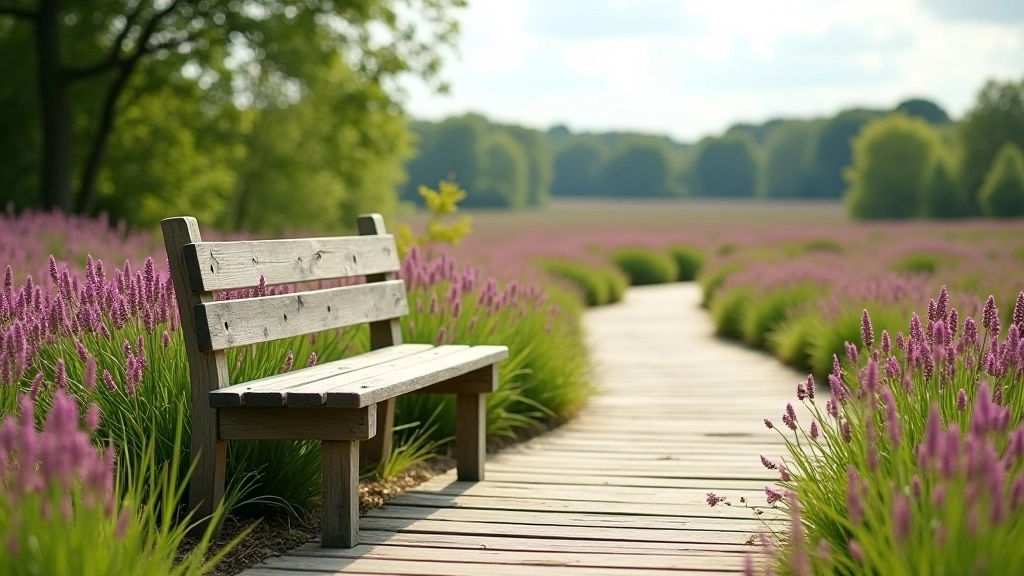
You'll find benches at strategic points along the boardwalk. There are five permanent benches spaced roughly 300 meters apart, plus two additional seats at the viewing platform. Each bench has a backrest and is positioned to face interesting parts of the landscape — they're not just placed randomly.
The benches aren't fancy, but they're solid and properly maintained. They're also set back slightly from the boardwalk edge, so you're not sitting directly on the path. If you need to rest more frequently, you can do a shorter loop and come back another day — there's no pressure to complete the full 1.5 kilometers in one visit.
What You'll Find On-Site
- Accessible toilet facilities at the main entrance (wheelchair accessible)
- Picnic area with shelter near the car park
- Water fountain (bring your own cup)
- Parking with accessible spaces, 50 meters from entrance
Planning Your Visit for Comfort
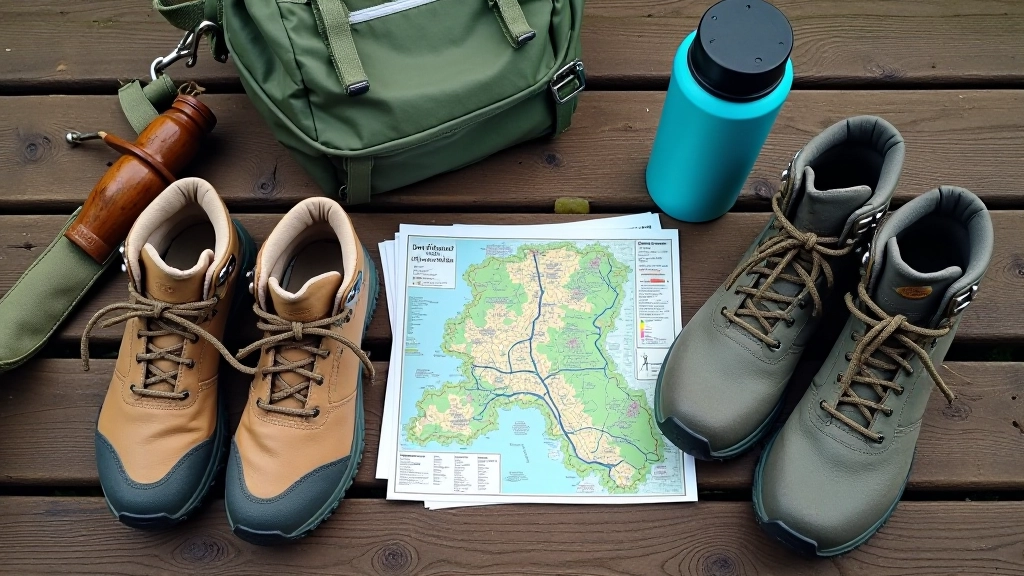
Here's what actually helps: arrive early in the day when you're fresher, bring a small backpack with water, and wear supportive footwear. You don't need hiking boots — regular walking shoes with decent grip work fine on the timber surface.
The boardwalk doesn't have handrails for the entire length, but the width and solid construction mean most people don't need them. If you're concerned about balance, a lightweight walking stick gives confidence even if you don't rely on it heavily. Bring one if it helps you feel secure.
Weather matters more than you might think. Wet boards are still safe — remember that anti-slip texture — but visibility drops on misty days. Clear days are ideal. Check the forecast before you visit; if it's heavy rain, consider rescheduling. The boardwalk stays open, but your enjoyment is what counts.
1
Start early for better energy and fewer crowds
2
Bring at least 500ml of water and a snack
3
Wear comfortable walking shoes with grip
4
Give yourself permission to do a partial loop
Important Note
This information is current as of June 2026, but trail conditions can change with weather and maintenance schedules. If you have specific mobility concerns or use specialized mobility equipment, we recommend contacting Lullymore Heritage Park directly before your visit to confirm current conditions and discuss your needs. Staff can provide real-time updates and practical advice.
The Boardwalk Is Built for You
Lullymore's boardwalk exists because someone decided that seniors and people with mobility differences deserve to experience a beautiful natural environment without fighting the trail. The smooth surfaces, gentle slopes, and thoughtful spacing of rest areas reflect that intention.
You're not being accommodated as an afterthought — you're part of the design. Whether you do the full loop, a partial section, or visit multiple times to experience different areas, you'll be moving at your pace on a path that's genuinely made for you.